Smallflower Bacopa (Brahmi) (4 oz)
Bacopa (Brahmi) 4oz (Bacopa monnieri) is a creeping succulent plant with very light purple to white, four or five-petal flowers. It can grow in quite brackish conditions, commonly found in the marshlands and muddy shores of India, Sri Lanka, Australia, Africa, Asia and South America. In the Ayurvedic tradition, Bacopa is revered as a ‘brain herb’, most commonly used to support rejuvenation and longevity, especially memory, mood and mental health, energizing the nervous system and the heart. Bacopa’s common name, Brahmi, can be somewhat confusing. It shares this name with several other Ayurvedic herbs used to support brain health, particularly Gotu Kola. Bacopa tea has a mild, woody, slightly tannic flavor, and pairs nicely with a variety of different herbs from chamomile to chicory root.
Common names: water hyssop, brahmi, thyme-leafed gratiola, herb of grace, and Indian pennywort.
Safety: No known precautions.
Original: $14.50
-65%$14.50
$5.07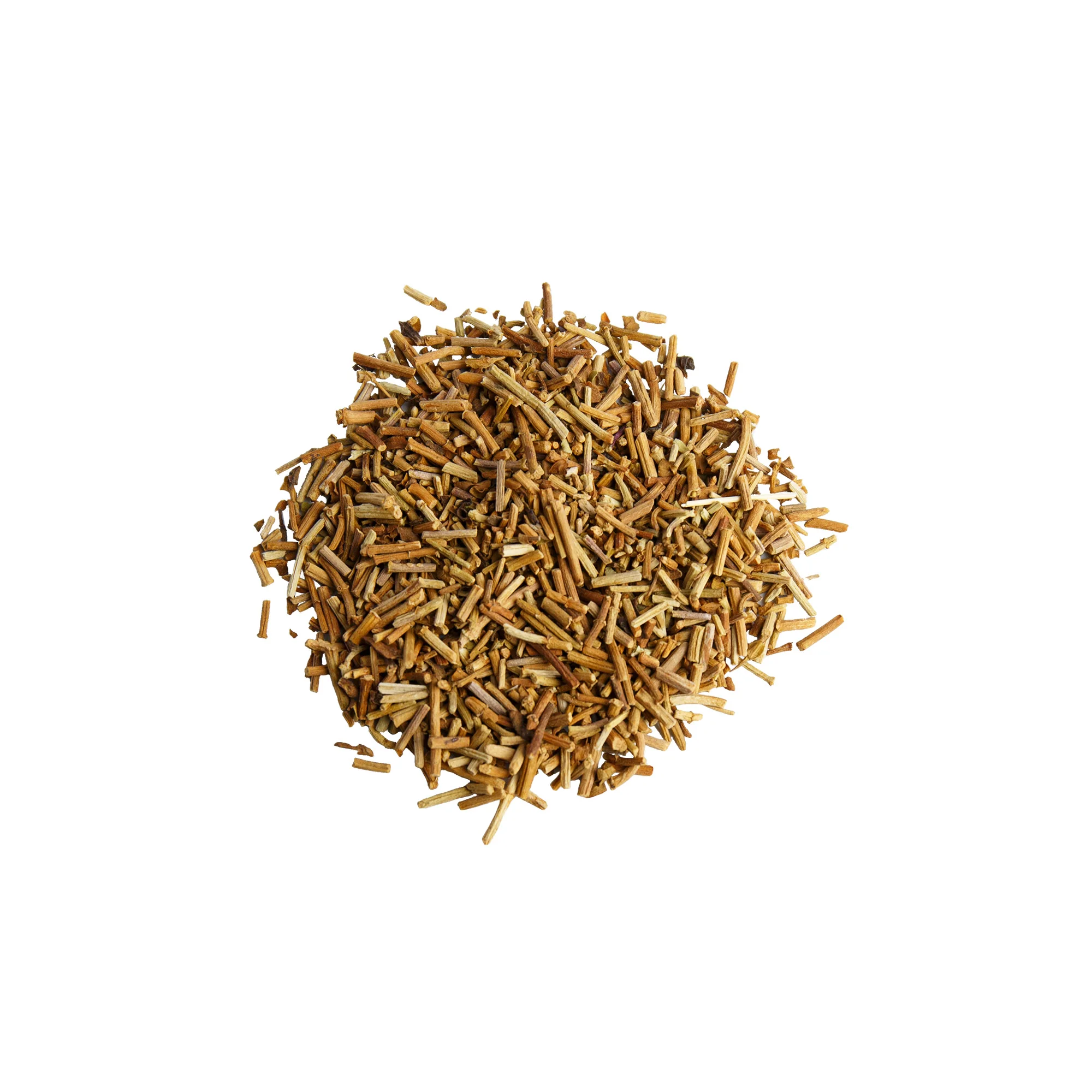

Description
Bacopa (Brahmi) 4oz (Bacopa monnieri) is a creeping succulent plant with very light purple to white, four or five-petal flowers. It can grow in quite brackish conditions, commonly found in the marshlands and muddy shores of India, Sri Lanka, Australia, Africa, Asia and South America. In the Ayurvedic tradition, Bacopa is revered as a ‘brain herb’, most commonly used to support rejuvenation and longevity, especially memory, mood and mental health, energizing the nervous system and the heart. Bacopa’s common name, Brahmi, can be somewhat confusing. It shares this name with several other Ayurvedic herbs used to support brain health, particularly Gotu Kola. Bacopa tea has a mild, woody, slightly tannic flavor, and pairs nicely with a variety of different herbs from chamomile to chicory root.
Common names: water hyssop, brahmi, thyme-leafed gratiola, herb of grace, and Indian pennywort.
Safety: No known precautions.